What generalization means
Generalization means the child uses the skill outside the conditions where it was learned: with another person, in another place, with different materials. Without it, a skill stays tied to one situation, and months of work are lost when that situation changes.
Five directions of generalization
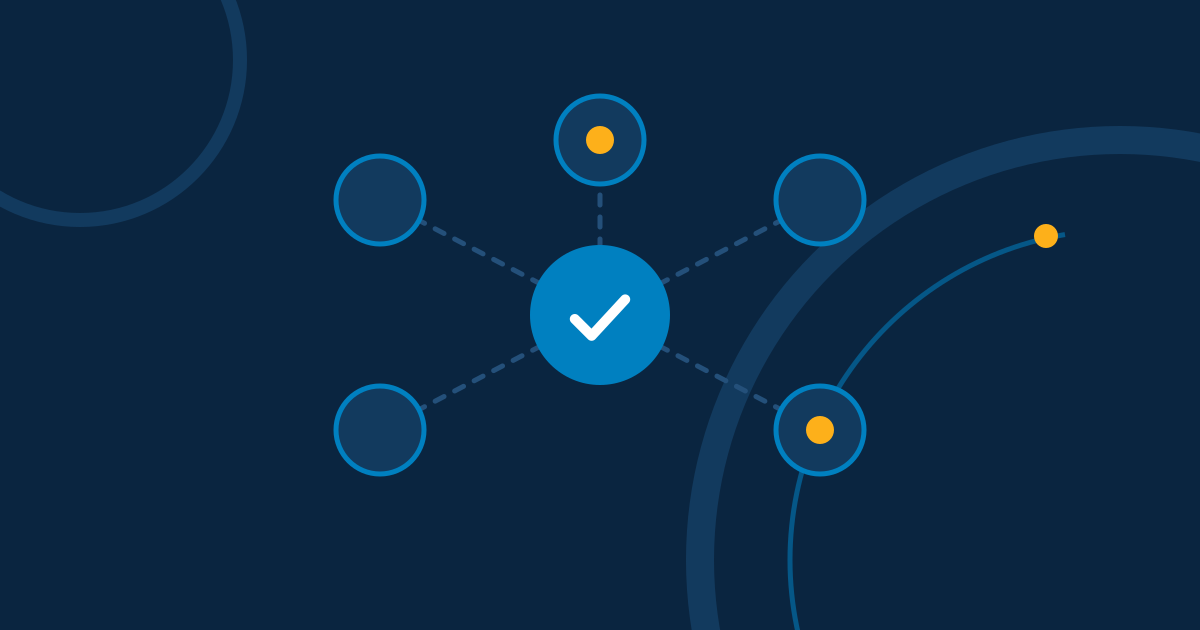
- Different therapists: does the child respond to the instruction from someone else?
- Different settings: another room, the playground, a restaurant.
- Classes and groups: in a classroom or with other children, not only one to one.
- Different people: parents, siblings, teachers.
- Different materials: a ball of another color, a picture instead of an object.
Plan for it from the start
The easiest approach is to build generalization into the plan instead of leaving it to the end. When a goal is mastered, decide right away where and how it will be generalized and who follows it up. Otherwise "mastered" goals pile up on paper that the child never uses in daily life.
Home is the final test
Parents see the child more than any therapist does. When the mastered goal reaches them with clear guidance for practicing at home, generalization becomes part of an ordinary day instead of extra homework.
How this works in Enable 360
A goal mastered in the system moves on to generalization across therapists, settings, classes, people and materials. It then returns to the report as an achieved goal and reaches parents through the portal as home practice. The final report stays permanently with the child's record.
See the systemFrequently asked questions
When does generalization work start?
Right after the goal is mastered, and ideally it is planned when the goal is written.
Does every goal need all five directions?
Not always. The team chooses the directions that matter for each skill, based on how the child will use it.
How do parents know what to practice at home?
In Enable 360, mastered goals reach them as home practice on the parent portal.
Last reviewed: