Verbal behavior stages: what the child can do today
The stages section is the part most therapists know. It measures language, social and learning skills across successive developmental levels, with domains at each level such as requesting, labeling, listening, play, imitation and social skills.
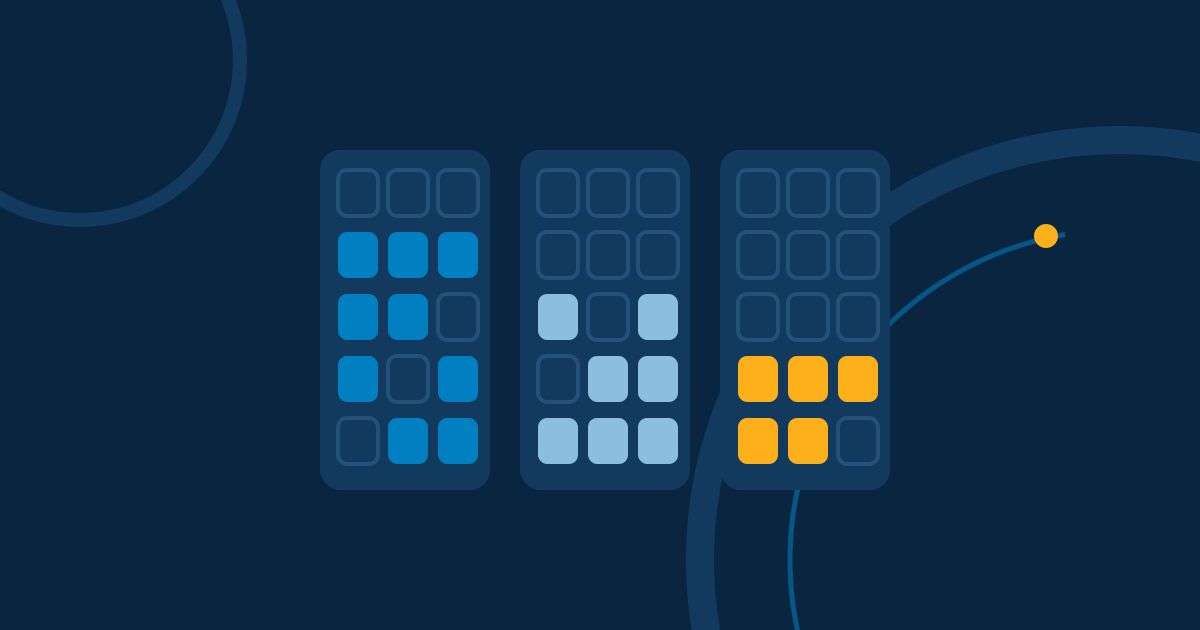
Results are usually drawn on a grid, so the team sees at a glance where the child stands in each domain and where the gaps begin. This grid is what the team comes back to at every reassessment.
Learning barriers: what is blocking learning
Two children can score almost the same on the stages and still need very different plans. The reason is often in the barriers. This section measures what may get in the way of learning, such as challenging behavior, weak instructional control, prompt dependence and difficulty generalizing.
Ignoring barriers leads to plans full of goals the child will not learn until what is blocking them is addressed. That is why many therapists open the plan with one or two goals for the most severe barriers before adding skill goals.
Transition readiness: is the child ready for a new setting?
The transition section helps the team and family judge readiness for a less restrictive setting, such as inclusion in a mainstream class. Many of its questions draw on the first two parts: the overall stages score, the barriers result and some specific skills.
An inclusion decision never rests on one number. The transition section brings the picture together, and the decision stays with the team and the family.
Why the three parts are linked
When each part is done on a separate sheet, the therapist adds up the same numbers again and copies them from form to form, with room for mistakes. When the parts are linked, the stages and barriers results answer part of the transition questions without being entered twice.
Linking also helps at reassessment: only unmastered items are repeated, and the comparison with the last result shows on the same grid.
How it works in Enable 360
All three parts are built into the system: Verbal Behavior Stages, Learning Barriers and Transition Readiness. Scores are calculated automatically, and the stages and barriers results feed the transition questions that depend on them. The report covers all three levels with strengths and needs, and needs become suggested goals in the plan.
Licensing any assessment tool a center uses is the center's responsibility. See assessments.
See the systemFAQ
Should all three parts be used with every child?
Not necessarily. Stages and barriers are usually the base of any plan, while transition is used when a change of learning setting is on the table.
How often is the assessment repeated?
The team decides based on the child's progress and center policy. At reassessment only unmastered items are repeated.
Does Enable 360 score it automatically?
Yes, and it links the stages and barriers results to the transition questions that rely on them.
Does the result turn straight into a plan?
The system suggests a goal for each need, and the therapist edits, removes and adds before approving the plan.
Sources
- CDC: Developmental Monitoring and Screening
- Behavior Analyst Certification Board (BACB): Ethics Code for Behavior Analysts
Last reviewed: