
The plan starts from the assessment
A plan not linked to the assessment is often written from memory or from a goal list used for every child. The result is generic goals that fit no child in particular, or goals for skills the child already has.
The needs an assessment reveals are the natural starting point: what the child cannot do today, in the domain measured, at the level reached.
Five steps from results to plan
- Read needs by domain: do not start with the hardest; start with domains that unlock others, such as requesting and listening.
- Start with the most severe barriers: if the assessment shows what is blocking learning, one or two goals for it come before skill goals.
- Turn each need into a measurable goal: who does what, with what level of help, and how we know it is mastered.
- Choose the items each goal is taught with: the child's own toys, foods and photos fit better than generic items.
- Set the tracking method: mass trials, probes, DTT sheets or weekly tracking, each with its mastery rule.
From need to goal: an example
Need: the child does not ask for things they want with a word.
Goal: the child requests 4 different wanted items with one word, without help, in two consecutive sessions.
Items: their favorite juice, their ball, soap bubbles, a biscuit.
Tracking: mass trials in three stages, with the prompt level recorded.
A plan is not a sheet to file away
A good plan is followed session by session. Every trial is recorded with its date, a mastered goal is re-checked weeks later to see if it holds, and then generalized at home and with other people. At reassessment the result is compared with the plan: what was mastered, what did not move, and what needs another approach.
How it works in Enable 360
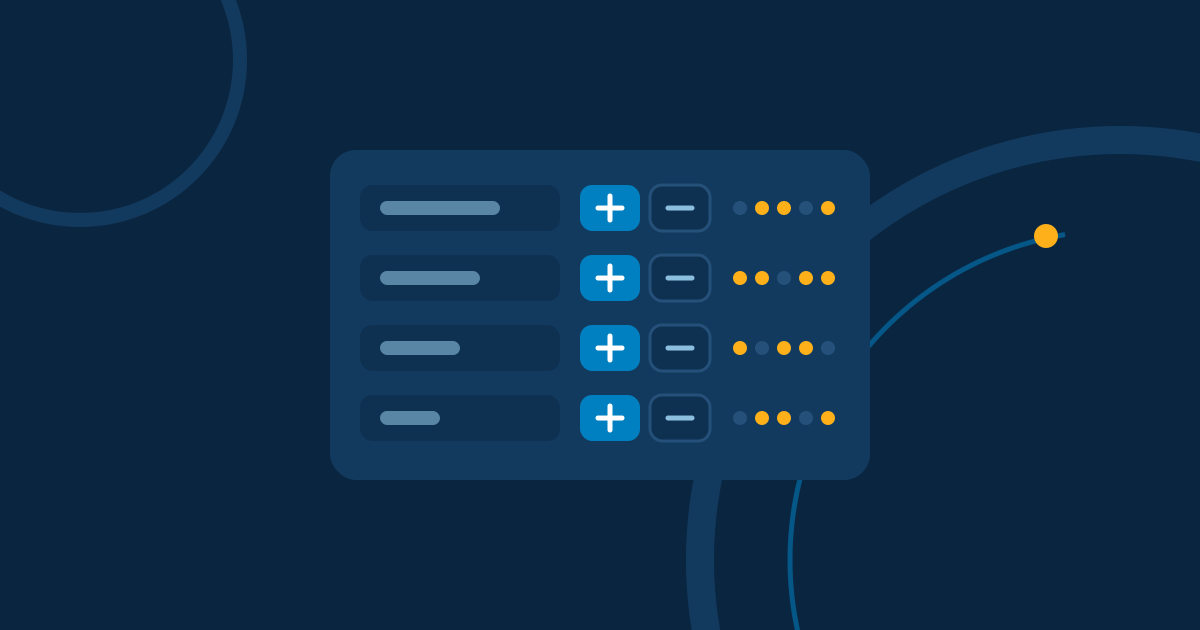
In Enable 360 the needs in the report become suggested plan goals, and the therapist removes, adds and rewords them. A goal bank linked to each assessment shortens writing, and items are suggested from the case history, the child's reinforcers and the concepts library. Once approved, goals move to the session screen and mastery is tracked trial by trial. See assessments.
See the systemFAQ
How many goals should a plan have?
There is no fixed number. Enough for the team to follow well in the sessions the child has.
Can goals be written as "improve communication"?
No. A goal needs a specific behavior, a level of help and a clear mastery rule.
Who approves the plan?
The center decides, usually the head of department and then the clinical supervisor, through an approval path.
When is the plan updated?
When the child masters its goals or makes no progress on them, and at every reassessment.
Sources
- CDC: Developmental Monitoring and Screening
- Linstead et al. (2017): Effects of intensity and duration on outcomes across treatment domains
Last reviewed: